


Corporate System Integration
Contents
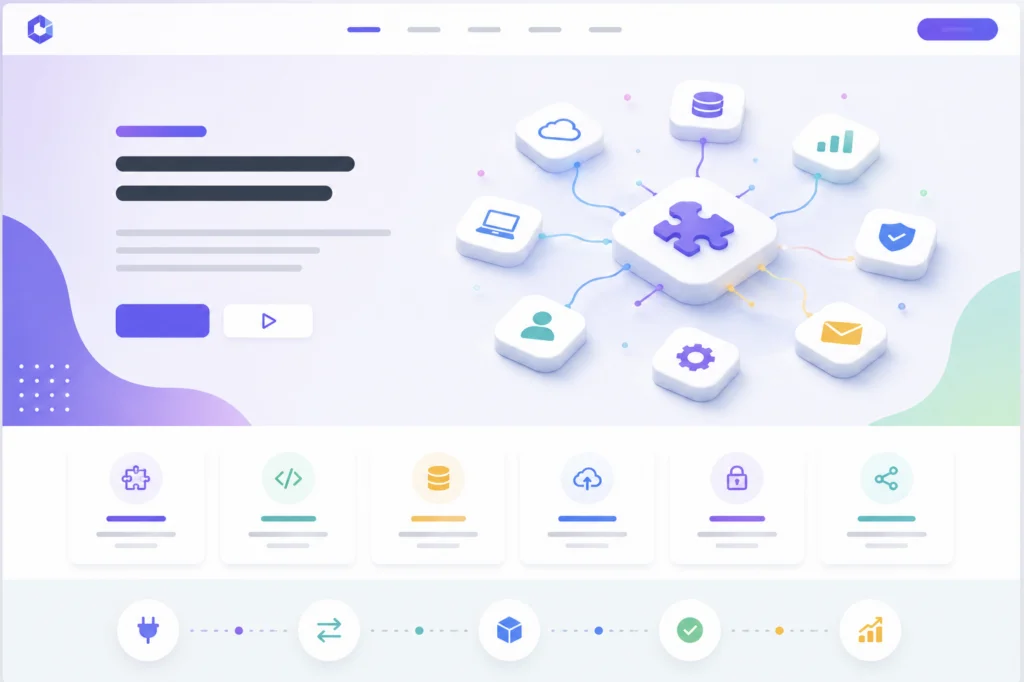
Corporate system integration is a complex of technological processes aimed at unifying disparate IT resources into a single information environment. System integrator company WOP lab implements projects based on EAI (Enterprise Application Integration) and SOA (Service-Oriented Architecture) principles. This approach eliminates the problem of data fragmentation (Data Silos) and ensures seamless synchronization between ERP, CRM, and warehouse modules.
System Integration at WOP lab
Professional enterprise information systems integration within WOP lab operations is based on a comprehensive audit of the current infrastructure. Legacy Systems preserve valuable accumulated data and are integrated into a modern technological stack via Middleware. This strategy guarantees the protection of investments in existing software while simultaneously transitioning to a microservices architecture.
WOP lab: Enterprise Information Systems Integration
The choice of data exchange method directly affects the flexibility and fault tolerance of the IT landscape. WOP lab utilizes modern API protocols and ETL processes to connect cloud and On-Premise solutions.
A comparison of architectural approaches helps determine the optimal strategy for business scaling:
| Integration Method | Characteristics | Business Benefits |
| Point-to-Point | Direct connection between two systems | High implementation speed for small tasks |
| Enterprise Service Bus (ESB) | Centralized message exchange hub | High scalability and ease of control |
| API-first Approach | Use of standardized interfaces | Easy integration with third-party services |
The implementation of an Enterprise Service Bus (ESB) minimizes risks when adding new modules, ensuring the stability of the entire structure.
System Integration Services from WOP lab
High-quality system integration services are aimed at reducing the Total Cost of Ownership (TCO) and achieving target ROI indicators. Enterprise information systems integration under expert management eliminates functional duplication and optimizes business logic.
Project implementation involves a sequence of stages that guarantee predictable results:
- Technological Audit: Analysis of current protocols and data flows.
- Architecture Development: Designing the system interaction scheme (PoC).
- Implementation and Migration: Configuring integration gateways and data transfer.
- Support and Monitoring: Ensuring 24/7 operational stability according to the SLA.
Phased architecture deployment ensures the continuity of business processes without interrupting the company’s operational activities.
Frequently Asked Questions
What is Enterprise Application Integration (EAI)?
It is the use of software and architectural solutions to combine various business applications into a single process chain, allowing data to flow freely between departments.
What is the advantage of using an Enterprise Service Bus (ESB) over direct integration?
An ESB acts as a central hub, allowing systems to be connected or disconnected without changing the code of other components, significantly simplifying scalability.
How does system integration affect business profitability?
Automating data transfer eliminates manual entry errors, accelerates order processing, and provides management with up-to-date real-time analytics for strategic decision-making.
The technological expertise of WOP lab in corporate system integration ensures the creation of a resilient IT infrastructure. To develop an architectural solution and conduct a systems audit, contact the company’s specialists.


